

Space Game
Projection Mapping — After Effects
Why
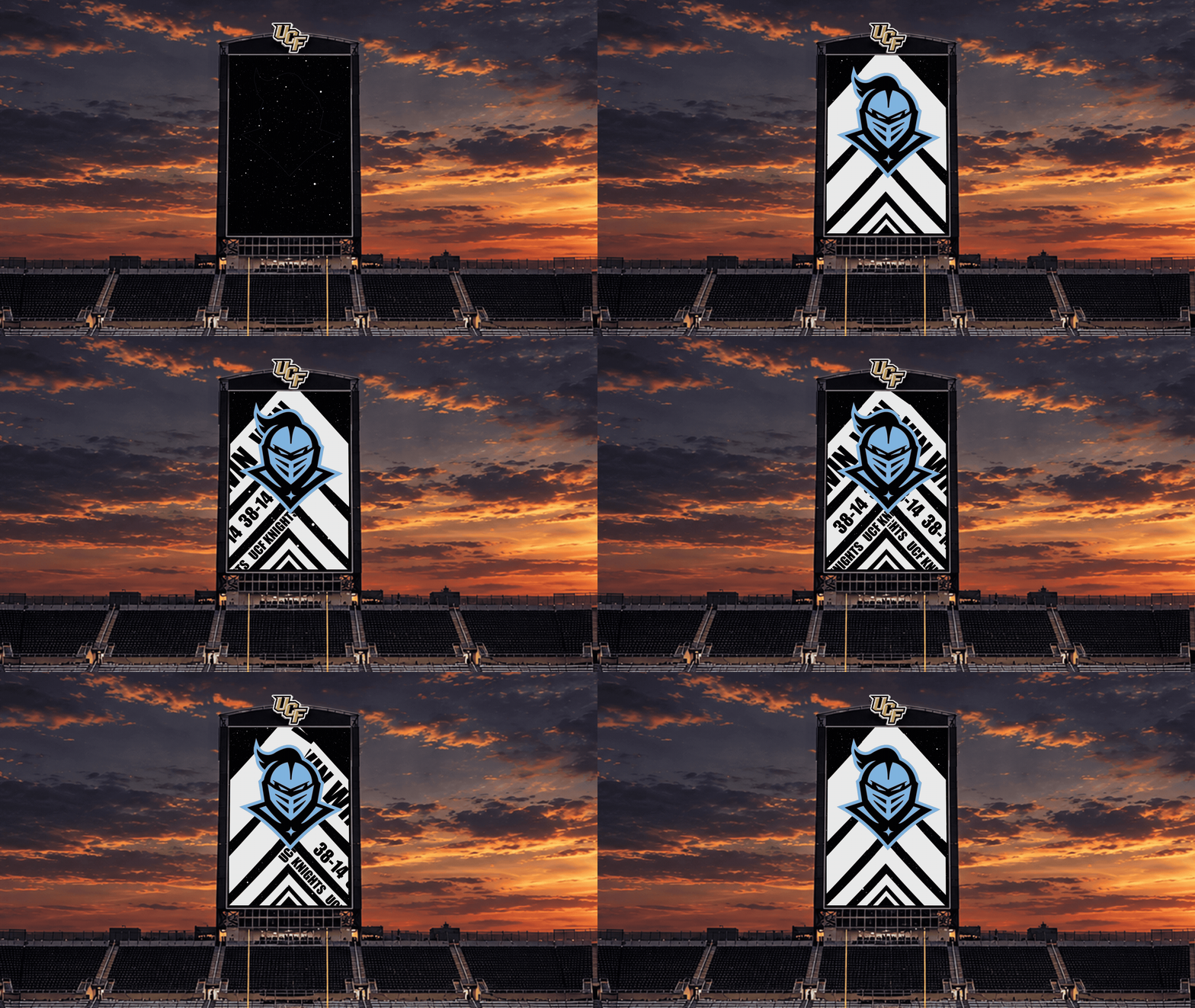
This project explores projection mapping through the energy and atmosphere of UCF’s iconic Space Game. Three animations were created to represent different moments surrounding the game: before, during, and after. Each composition was designed with a specific purpose, using motion and visual effects to capture attention, build excitement, and maintain energy throughout the experience.
What
Three compositions were created in After Effects and projected onto a three-dimensional board. By working with the board’s varying depths and surfaces, the animations were designed to interact with the physical structure and enhance its dimensionality. Time was spent experimenting with the projection and testing the animations on the board to refine the timing, positioning, and visual effects.

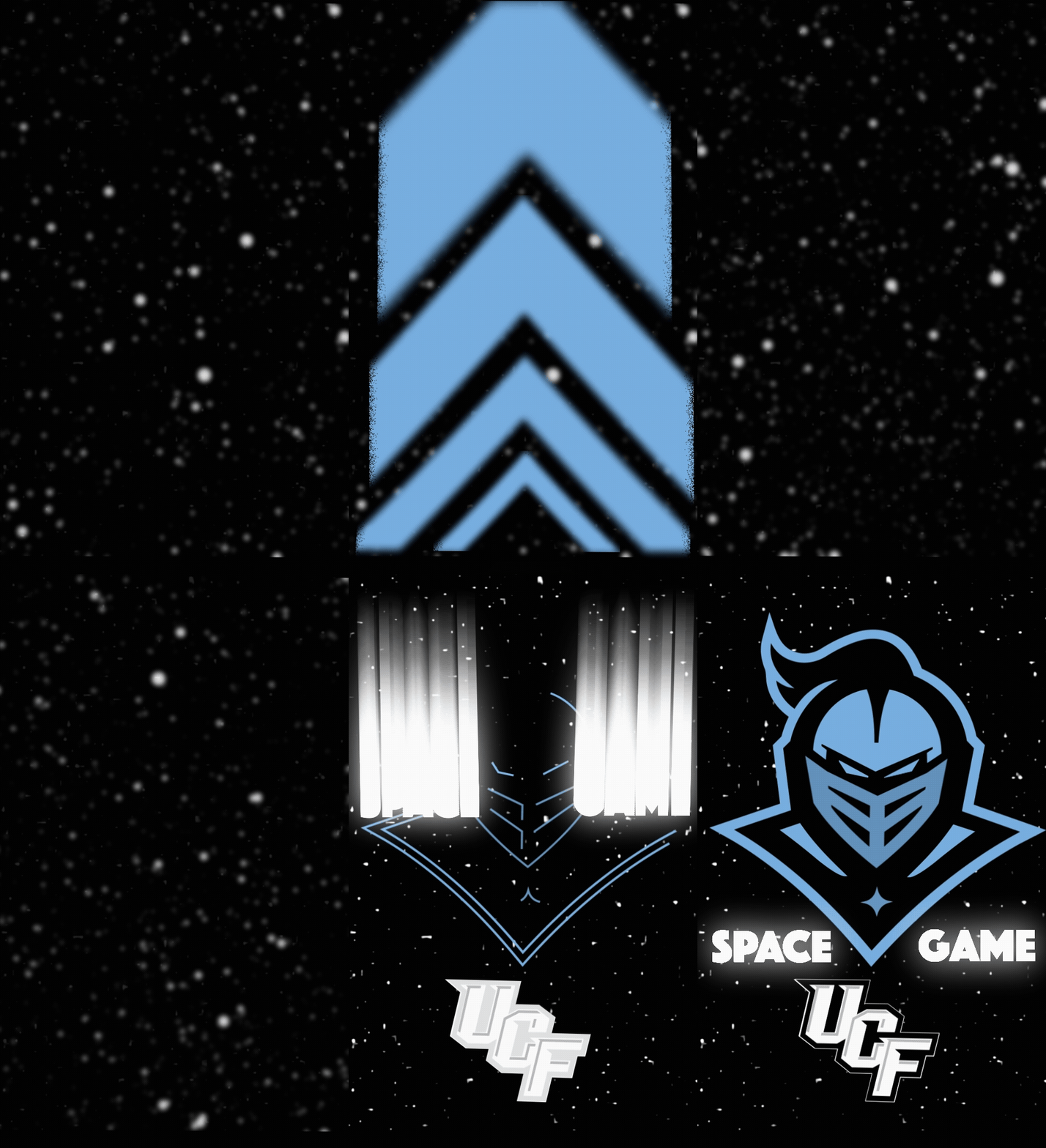
The layers of the 3d board
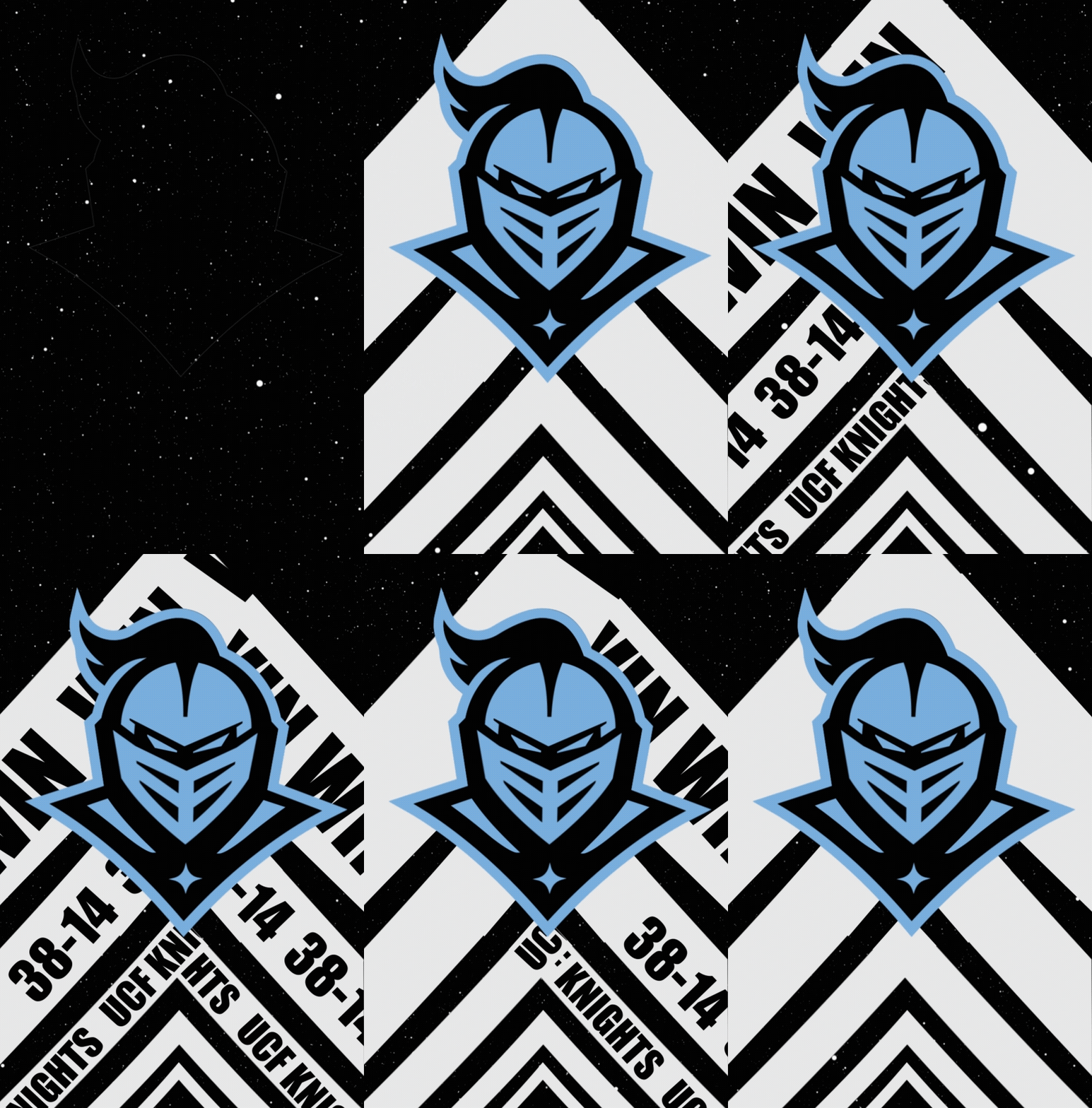
Start of Game
— Intro to game, sets the tone and atmosphere.


During Game
— Hypes up the crowd and gets the fans cheering in unison.



After Game
— Tells the crowd the outcome and score of the game.


The Process
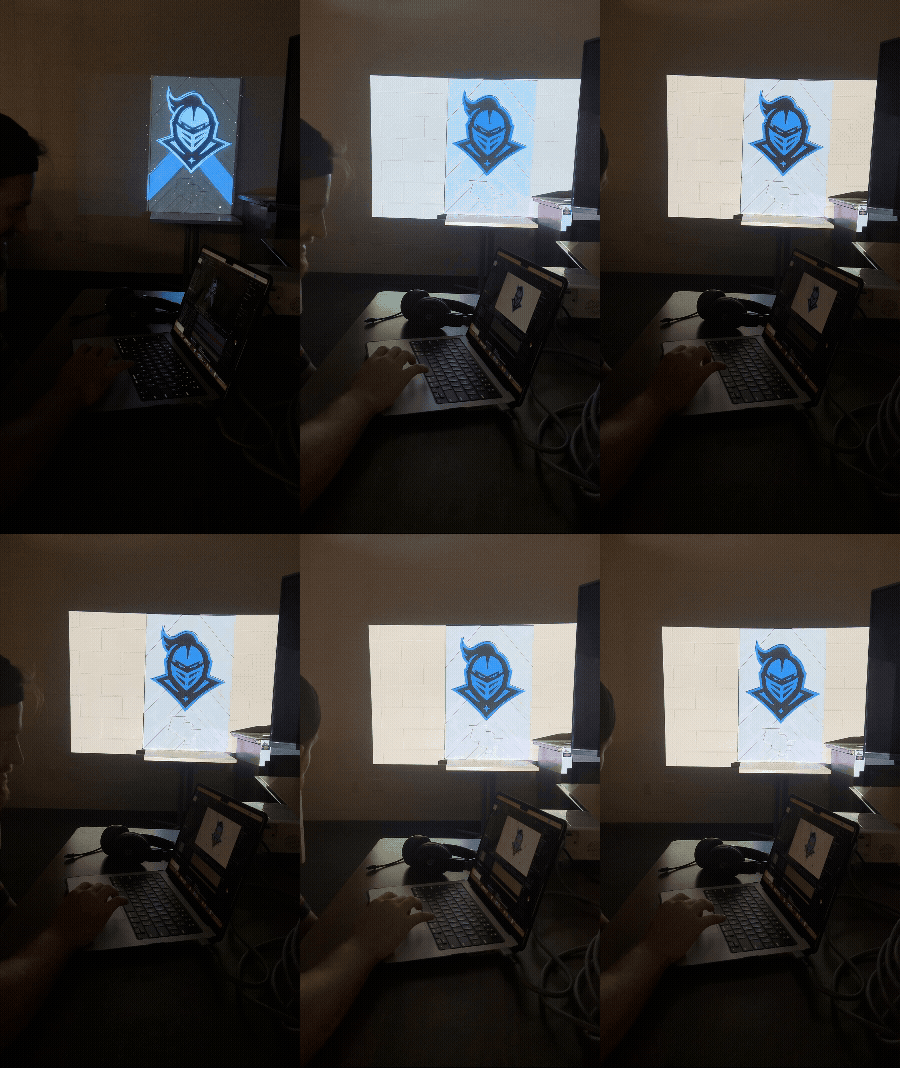
Projection mapping is more than animation on a screen; it is motion designed to interact with a three-dimensional object. Using corner pinning, each composition could be adjusted to align with the different surfaces and depths of the board. A projector and smaller-scale model were used throughout the process to test the animations in a physical environment, allowing me to refine the alignment, colors, timing, and frame rate for the final projection.
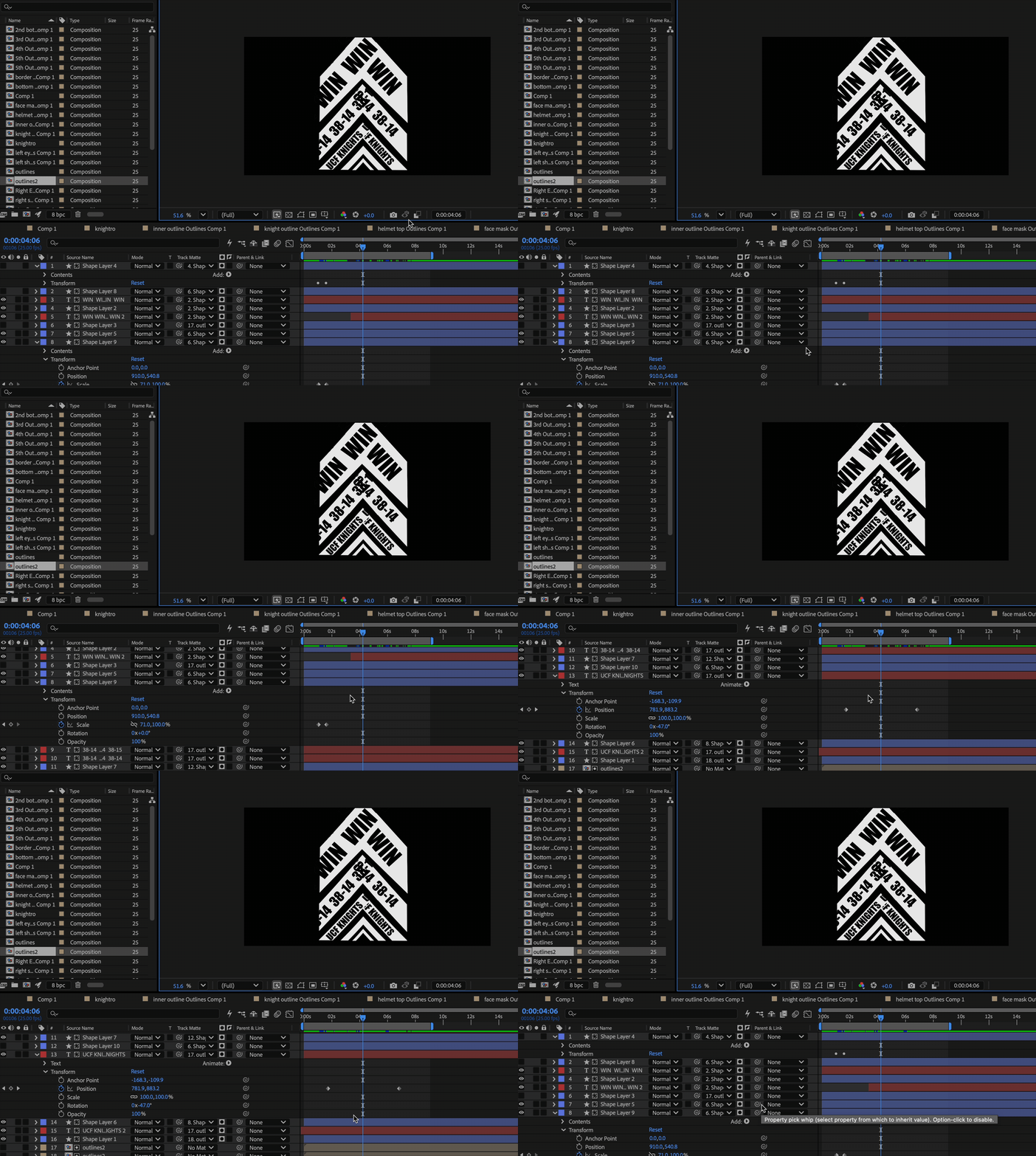
After Effects
Every animation was built in After Effects, where shape layers, effects, and properties were carefully keyframed and adjusted to control the timing and movement of each element. Working directly in the timeline allowed me to experiment with pacing, transitions, and visual effects while testing how the animations translated from a traditional screen to a physical projection.
Research
I researched UCF Space Game to understand its visual identity, atmosphere, and connection to UCF’s space-focused culture. I looked at previous Space Game graphics, UCF athletics branding, and space-inspired visual elements to identify ways to create something that felt energetic and recognizable while still fitting within the existing UCF identity. This research helped guide the animation’s composition, imagery, typography, and overall visual direction
Moodboard


Design Quilt






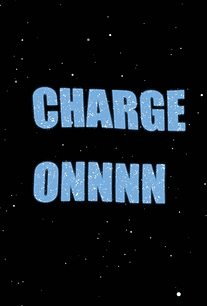


All Animations & Reflection
This project gave me a better understanding of projection mapping and how motion can extend beyond a traditional screen. Working with a physical 3D surface changed the way I think about frames, timing, and composition, as every movement had to account for the dimensions of the object it was projected onto. Through testing and refining the animations, I learned to think about design not just as something viewed within a frame, but as something that can interact with space and create an experience through motion.